Sunday, May 17, 2015

Caring for a Dental Crown

As well as you might care for your teeth on a daily basis, there may be times when some dental work is necessary.

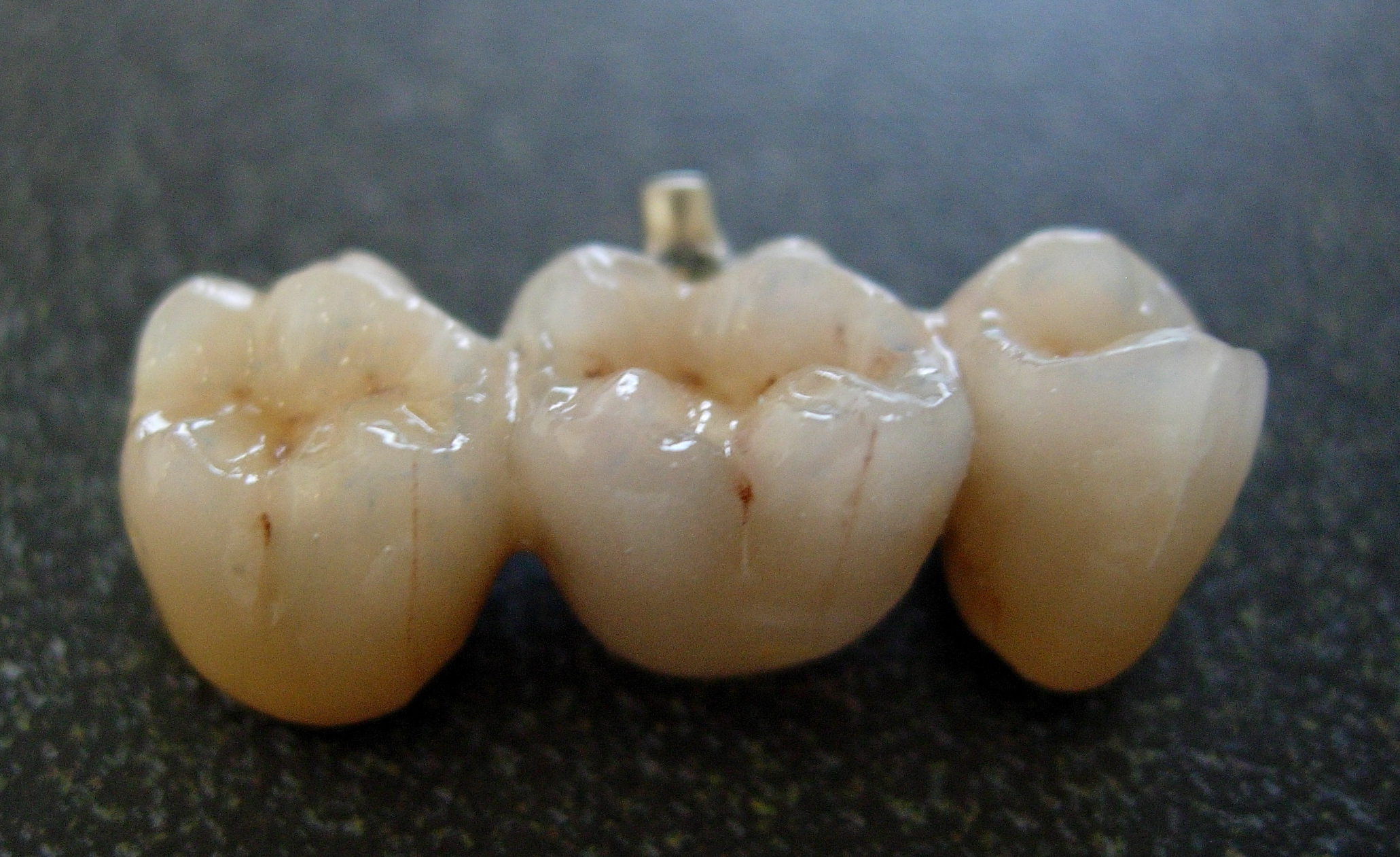
In the majority of cases, a hole or cavity may be filled by a standard filling but there are other cases where more serious and long term work may be required. Dental bridges and crowns are one alternative to root canal work or the removal of the damaged tooth altogether.

Having a crown should never be undertaken lightly. It is a lengthy procedure and is more expensive than standard work. However, with the right care and attention after the crown is fitted, there is no reason why it shouldn’t stay as a permanent option with little or no more work required.
crown
 
Bridge
#1. Immediately after

The most important thing to note about having a crown is that you’ll require an anaesthetic. Many people find the sensation of a numb mouth to be extremely odd and as a result may pick at their lips, overbite and make their gums sore or even bite their tongue or the inside of their mouth. You should always be careful as your mouth is under anaesthetic that you don’t cause any damage.

As the numb feeling wears off, you may experience some discomfort, especially as you’ve had a considerable amount of work done. Your dentist may prescribe you with some strong painkillers if they feel it necessary. Alternatively an over the counter medication such as paracetamol, ibuprofen or co-codamol may help ease any pain you’re in. It may be that the site of the work is sore for a few days following the procedure, in which case you might require a numbing agent such as one you might use on a mouth ulcer.

You may also notice that your mouth has suddenly become extremely sensitive to hot and cold substances such as tea or cold ice lollies. This is perfectly normal after dental work but should it persist, you may need to ask for a further examination.

#2. Hygiene

The worst thing that can happen to your newly fitted crown is for the teeth around it to become infected and weakened. Therefore if you don’t have a hygiene routine such as flossing and the use of mouthwash, now is the time to begin one in addition to your daily brushing.

#3. Instructions

Depending on the site of your crown, and the amount of work which has been done on the area, your dentist may give you specific care instructions. These could include lists of foods to avoid or some care for you afterwards. This information has been put together specifically for you and it is vital that you follow it to ensure the ongoing health of your crown.

Tuesday, April 28, 2015

Maintaining your Dental Implants

There are many situations where teeth could be lost. The patient could be injured in an accident or sporting incident, may have a long term health condition or may lose their tooth due to poor dental hygiene or care. It is not uncommon for an adult to have some missing teeth but over time, lost teeth could cause a problem for them as they lose the ability to talk or eat properly.
Image source

Many dentists use implants as replacement for missing teeth. However, in order for the patient to enjoy continued use of their implant, there is a great deal of maintenance which needs to be done.

This maintenance will ensure that the implant, together with the surrounding area of the mouth and gums remains healthy and free of any further disease or cavity.
  • Hygiene
With the right daily hygiene, there is no reason why a dental implant won’t last indefinitely. Once it has been fitted, finished and has integrated with the bone inside the jaw, it should be treated just as a normal tooth would be. This means brushing twice daily and after meals, flossing and the use of mouth wash. Many dental professionals now recommend the use of an electrical toothbrush which can simply reach into more surfaces than brushing manually, as well as brushing faster and ridding the mouth of more harmful bacteria.

They also recommend limiting sweet and sugary foods and drinks, or at the very least ingesting all sugary treats in one session then brushing the teeth afterwards.
  • Impact
Implants are only successful as long as they remain fused to the bone in the jaw. If this fusion fails, the implant may fail. Therefore, it is essential that the patient is careful with the foods they eat, the sports they do and to reduce any excess chewing or teeth grinding.
  • Infection
Under normal circumstances, an infection can be extremely painful but with implants, they can be exceptionally so and can result in the failure of the implant altogether. Therefore, it is necessary for the patient to attend a dental implant clinic on a regular basis to ensure that any and all bacteria and plaque are removed safely and thoroughly. Dental hygiene appointments should take place ideally every 3 – 6 months, although a dental professional may recommend more regular  appointments once an implant has been fitted.
  • Health
General body health can have a great affect on dental health. Some conditions such as heart problems, diabetes or thyroid conditions can have an adverse effect on dental health if those conditions aren’t managed properly.

If you have any concerns over your oral health then it is always best to speak to your dentist, or dental nurse. They are best placed to provide you with any advice, guidance or treatment you may need.

Tuesday, April 14, 2015

Chew These Healthy Teeth Facts Over

We all know that the key to a healthy life, and professed longevity, is a well balanced diet with lots of exercise.  In fact, few of us would argue with that.  We know that too much sugar or fat can make us feel lethargic and bloated, and can do horrible things to our blood sugar levels.  However, they can also have a significant impact on our oral health.

With this in mind, we are going to focus on how five a day can help keep your teeth healthy too, and which foods you should be looking at to improve oral health.
 
  
#1. Oranges: 
 
Most of us know that oranges are a fantastic source of Vitamin C, but few of us really understand why this is a big deal. Oranges, like all citrus fruits, are full of Vitamin C which can help to strengthen blood vessels.  This can in turn improve circulation and help reduce inflammation which could lead to gingivitis.

#2. Strawberries: 
 
These little sweet fruits are also bursting with Vitamin C, so have the same benefits as grapefruits, lemons and oranges.  In fact, they are so good for you that just half a cup of strawberries can provide you with 70% of your daily recommend allowance of Vitamin C.

#3. Raisins
 
These little dried fruits are naturally sweet, which means you can get your fix without filling yourself with sucrose or sugar.  This is particularly good as sugar help ensure that bacteria stick to the surface of teeth, which in turn can cause decay.  Recent research has even suggested that raisins, which contain phytochemicals, may kill cavity causing plaque bacteria as well, which is an added bonus.

#4. Apples, carrots and cucumbe:
 
In fact, any fruit or veg with a bit of crunch to it are likely to be of benefit to your teeth.  The act of chomping down on these crunchy snacks, and then engaging in a slightly more prolonged chewing episode can actually serve as a cleaning mechanism for the mouth.  Any bacteria left on the teeth surface from previous meals or drinks can be wiped off an removed in the process.

#5. Cranberries
 
These little fruits contain polyphenols which are proven to slow the growth of the bacteria often associated with cavities. This means that there are fewer cavities, and less chance of developing gum disease. However, it is worth pointing out that as cranberries are in themselves very tart, you must be careful that sugar has not been added to any cranberry based products as this would defeat the object!

Of course, simply sticking to a diet rich in fruit and vegetables is not enough to ensure that your teeth will remain healthy.  It is important to see your dentist regularly, brush twice a day and follow good oral hygiene.

About the Author:
 
David has a keen interest in oral health. His articles on the subject inform readers of all aspects of dental health and advise how five a day will keep your teeth healthy too.

Monday, March 23, 2015

The Importance of teaching good dental care to our children

As parents we have so many things we have to make sure our children know how to do, from getting tying shoe laces to learning to read.  Thankfully, we are not alone when it comes to many of the tasks, and teachers are on hand to help with large parts of the education process.  However, when it comes down to learning personal care parents often find they are up against it. Instilling the importance of washing their hands, learning to dress themselves and of course teaching your child to brush their teeth are common areas that see parents and toddlers falling out.


Part of the problem, especially with the latter example, is that many parents just don’t know how to teach their children to start to take care of themselves.  However, it is vital that they do learn, which is why we have put together some information on how to get those teeth cleaned without arguments!
#1. Start early 

It is good practice to start demonstrating the importance of oral hygiene from a young age.  In fact, whilst your youngster still has that perfect gummy smile, you should be cleaning their gums.  You can do this with a cloth, or a moist infant toothbrush; however, remember that if there are no teeth then you don’t need toothpaste!  Not only will this help ensure that the gums are being kept clean, which is important for good tooth development, but it will also get your child used to the process of having their mouth examined and cleaned.

#2. Once the first tooth appears

When your child has cut their first tooth it is important to start brushing it twice a day.  This will help ensure that debris and bacteria are removed, and will again reinforce the cleaning process which will come in handy later on.  The best way to safely brush your child’s teeth is to have them on your lap, facing away from you. Use a small amount of paste, and a soft bristled brush. Avoid fear by explaining to them what you are going to do, what you are doing, and what will happen next.  Brush in a circular motion, and angle the brush to 45 degrees to make sure you get the gumline.

#3. Toddlers 

When your child is approximately three years old, you can begin to encourage her to clean her teeth herself.  Remember though, she won’t have the fine motor skills to do this well for some time, so it is important you continue to supervise, and assist where needed.  Encourage by making brushing a family event, perhaps doing yours at the same time as she does hers.  You can also ensure that your child brushes for the right amount of time by setting up a timer or singing to a favourite song.

About the Author:

David has a keen interest in oral health and associate with Bhandal Dental Practice. His articles on the subject inform readers of all aspects of dental health and advises the importance of teaching your child to brush their teeth.

Thursday, January 29, 2015

What Options Are Available For People With Severe Dental Phobia?

If you have an extreme phobia of visiting the dentist then you’re not alone. Many people avoid visiting their dentist and as a result they suffer from problems such as dental pain, abscesses and damaged teeth.

For people such as this, there is a solution in the form of dental oral sedation. By using one of the many drugs available to help patients deal with anxiety, dentists can do their work whilst the patient is completely relaxed.

A common reason for the use of oral sedation is for people who are adverse to needles. Because the medications are administered orally, there’s no need for injection. However many patients find that once they have taken the medication, they’re much less anxious and therefore are no long afraid of receiving a local anaesthetic.

When you are tense and anxious, particularly when you’re anticipating pain, it puts your body in “fight or flight” mode and therefore makes you very sensitive to every sensation and noise. This is a very common experience for people who have a phobia of dentists. Using oral sedation can help you to completely relax and make the experience much more tolerable.

Is it safe?


If you’re consideration oral sedation then it’s important to inform your dentist of anything about your medical history that you think is relevant, including -

  • Any medications you’re currently taking
  • Any existing medical conditions you have
  • Any herbal supplements you’re talking. You may think that herbal treatments such as St John’s Wort are not worth mentioning but they can interact with oral sedatives so it’s vital that you inform your dentist.
  • Smoking and alcohol consumption. Both can influence how effective sedative medications are.

Once this information has been provided, your dentist can then decide on the best type of sedative to use for your treatment.

Planning for an appointment

In order to plan for a visit to the dentist where oral sedation will be used, there are certain things you must do.
 
These include –

  • In some cases your dentist will administer oral sedation medication for you to take the night before your treatment to ensure that you get a good night’s sleep.
  • It’s advisable that you don’t eat or drink anything for at least six hours before your appointment.
  • It’s usually best to take the day off work when you’re taking oral sedation.
  • You should arrange for a friend or family member to drive you to your appointment and pick you up afterwards. It is not safe to drive until after the medication has worn off. How long this takes will depend on the particular medication you were given.
  • You should also keep hydrated and drink plenty of water following your appointment.
About the Author:
 
David has an interest in all subjects related to dentistry and often discusses the benefits of using dental oral sedation.

Monday, December 29, 2014

Not all dentists are created equal

You may be forgiven for thinking that all dentists are the same when it comes to the qualifications they possess and the treatments they are able to offer; however, this is not always the case.
 
While most dentists are able to provide general dentistry services, from regular check ups to teeth cleaning and polishing and the performing of fillings, other treatments require expert knowledge and additional training.  One example of a more specialised procedure is a root canal.
 
 
Finding a root canal specialist
 
Root canal treatment is one way of saving a tooth that may have developed an abscess or has become infected or damaged in some way.  Performing such treatment is often preferred to simply having the affected tooth removed, and in the long run, this is far more cost effective and beneficial for the patient.  Implants and dentures will never be as effective as the real thing.

However, your general dentist may not be able to perform such a treatment, and will have to refer you to a root canal specialist instead.  This is because root canals involve more than just dealing with teeth, they also involve removing damaged or dead nerves and blood vessels that a general dentist may not have significant knowledge of.

A root canal specialist will have undertaken an additional two years of training to become qualified as an endodontist.  This often means that not only do they have training above and beyond what your general dentist will have, but they will also have more experience in dealing with root canal treatments, making them better able to predict the need for a particular course of actions.

Root canal specialists will also have more specialised equipment on hand to help in the diagnosis of your condition.  This can include the use of operating microscopes and scanning equipment which your day to day dentist may just not have access to.

If your dentist has advised you that you need root canal treatment they will be able to discuss with you whether or not they can provide the treatment for you.  Alternatively they may advise you that it would be in your best interests to seek a second opinion from a specialist, and they can make this referral for you.

If you are referred to a specialist it is important to remember that this does not mean that your dentist is inferior in any way – it is exactly the same process as with your GP who may refer you to a specialist for further assessment if they think it is valid.  Your dentist will always want you to have the best level of care possible, as this will have a positive effect on your general oral health in the long run.

Author Bio :
 
Jayden Willis writes blogs on general oral health, as well as information on root canal specialists. His articles on the subject inform readers of all aspects of dental health.

Friday, November 21, 2014

Do You Need Help Locating Pediatric Dental Specialists?

Dental visits are some of the most traumatic events for children. For this reason, it is important they get used to a good pediatric dental specialist very early in life. Hence, it is advisable to familiarise your child with a dental specialist as soon as their milk teeth appear. Make each visit a positive, pleasant, and cheerful experience so your child will not be distressed during later visits.

Bhandal Dental Practice offers many convenient facilities in the Coventry area, and has many well-trained and experienced pediatric dental specialists. They warmly welcome children who get free care under the NHS. Bhandals are also reputed for their traditionally friendly and personalised care. The ambience and equipment in their clinics are child-centric and puts your child at ease immediately.


What kind of pediatric dental specialties do they offer?
  • Interceptive Orthodontics: A special approach is taken to guide a child’s dental progression with proper alignment, spacing etc.
  • Periodontics: Prevention and treatment of gum disease and surgical placement of dental implants is also offered.
  • Services for children with special needs: A variety of services designed for children with special needs are available.
  • General Dentistry: Includes but not limited to carrying out restorative, preventive, and cosmetic dental needs.
  • Fillings: Both composite and amalgam fillings are offered.
  • Protective Services: Sealants or fluoride treatments are carried out to reduce the risk of decay in later years.
How should you prepare your child for a visit?

Although you might personally be more comfortable with your family dentist, it is advisable to take your child to a pediatric dental specialist. A pediatric dentist is specially trained to be sensitive to the developmental, behavioral and treatment needs of children. He or she is trained in handling young children from basic preventive dental needs to complex medical and restorative requirements.

The atmosphere and apparatus are also focused on making your child’s visit more comfortable and pleasant. Local anesthesia is usually administered by a computer-controlled delivery system that eliminates big syringes and reduces pain.
 
Schedule the visit when the child is otherwise healthy and in good spirits. Do not use negative or scary words like pain, injections etc. Impress on your child the importance of having good oral health and a happy, cheerful life.  Promise a treat after the dental exam and explain that good teeth are essential to enjoy ice cream and candies.

It is advisable for you to talk to your child about any fears he or she may have. Anxiety increases the pain response and make your child feel confident and at ease. Unless unavoidable take your child to the same pediatric dentist to make visits as friendly and stress free. Follow up visits should be done within six months unless special conditions require frequent visits.

You have probably gone through the rigours and pain of dental exams and procedures, and it is understandable if you are worried and apprehensive of your child’s well-being and potential suffering. However, technology, equipment, and training have vastly improved and with so many good pediatric dental specialists, you can be assured of excellent results.